


There once was a Dodge concept car back in 1999, a propane-powered Charger R/T that used many styling cues from the iconic second-generation 1969 Charger, like its wasp-waisted Coke bottle styling, wide sharp-edged fenders and soaring rear pillar (see YouTube video)
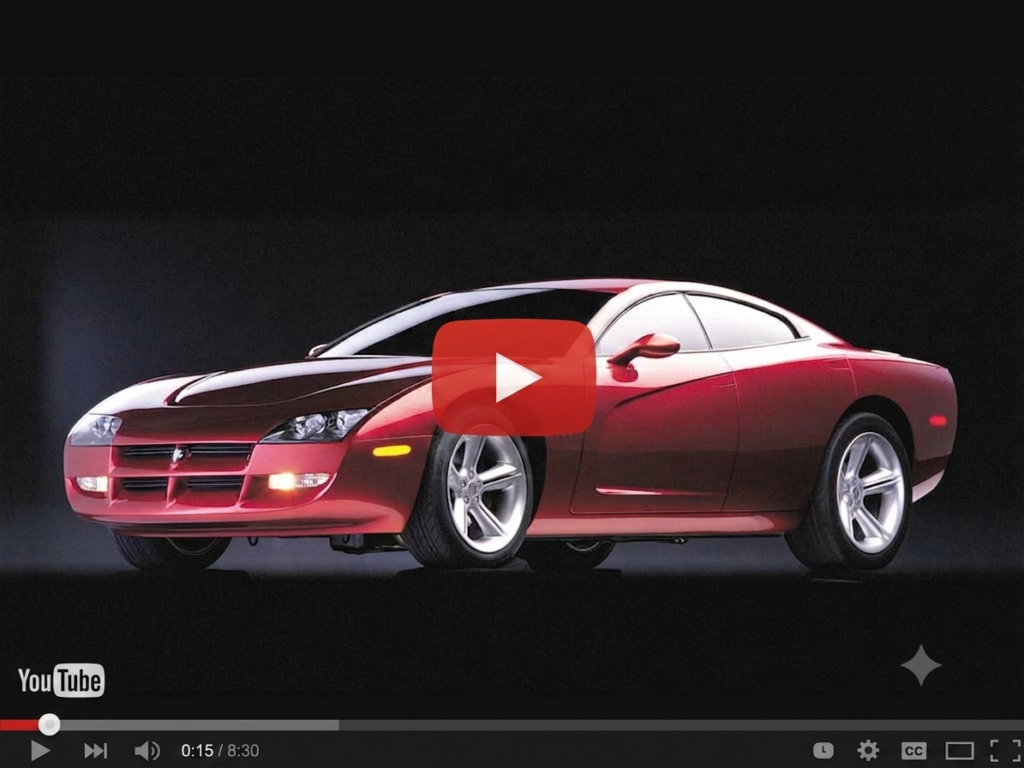
It also had four doors, unlike the original, rear handles hidden in the C-pillars to retain that coupe-like look. I drove it, and loved the design – but it was never made. Instead, the Charger line that stopped in 1987 as a compact front-wheel-drive coupe did not come back until 2006, with a bigger 4-door sedan that became home for a revived HEMI V-8.
Then the HEMI Charger died, at least for now, with the “Last Call” edition in 2023; replaced with a new generation for 2024 that due to some delays didn’t actually reach customers until 2025.
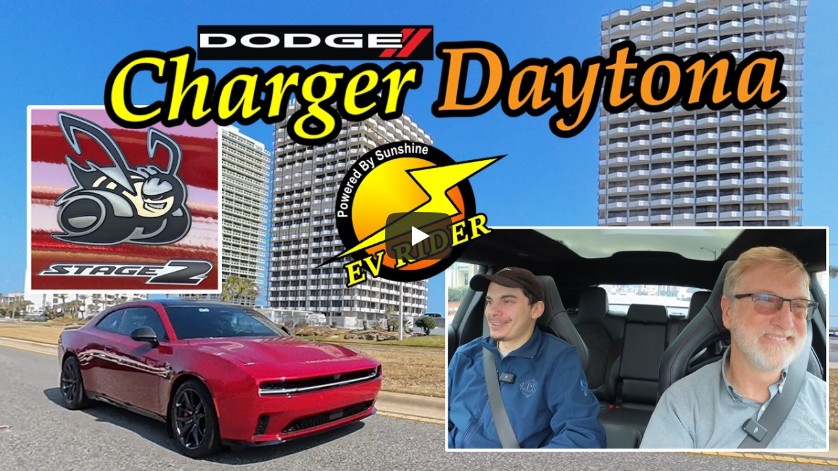
Dodge created an entirely clean-sheet next-generation Charger that debuted with a slick Daytona EV, as tested here on EV Rider.
Then came the one featured in this road test – the Charger Sixpack with a 3-liter inline Hurricane six with twin turbos, in two flavors. So when Dodge delivers a Redeye (metallic red) all-wheel-drive Charger R/T with a 420-hp/468 lb-ft engine, you drop in on car shows to find lots of MOPAR royalty or reaction.
At one, a man rolls up in a 2022 Charger Hellcat, then says, “I don’t not like it,” as he checks it out intently. The owner of a 1967 (second-gen) Plymouth Barracuda I parked next to liked it too. So did an old friend who restores classic MOPARS, saying Dodge “did a good job and I like the shape,” showing surprise (many did) at the hatchback; and wondering what aftermarket performance goodies will come. And time and time again, “Is that the electric version?”
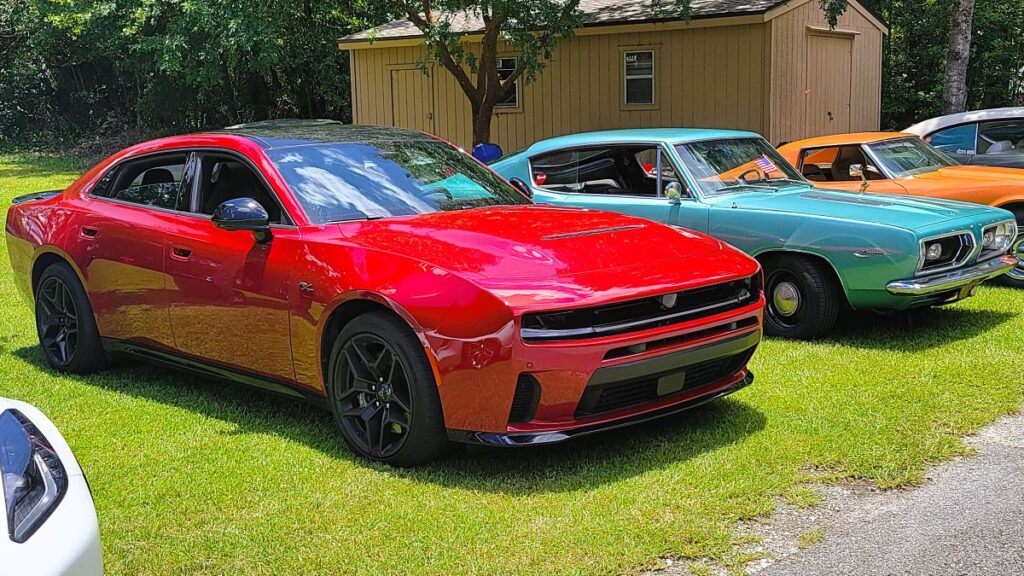
Nope.
2026 Charger Is One Of The Biggest Sedans Available
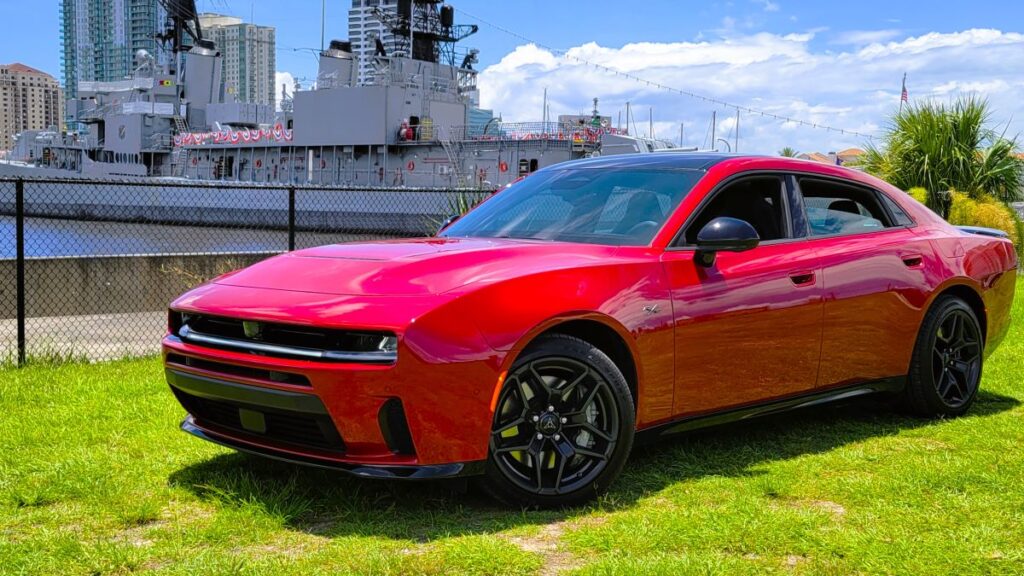
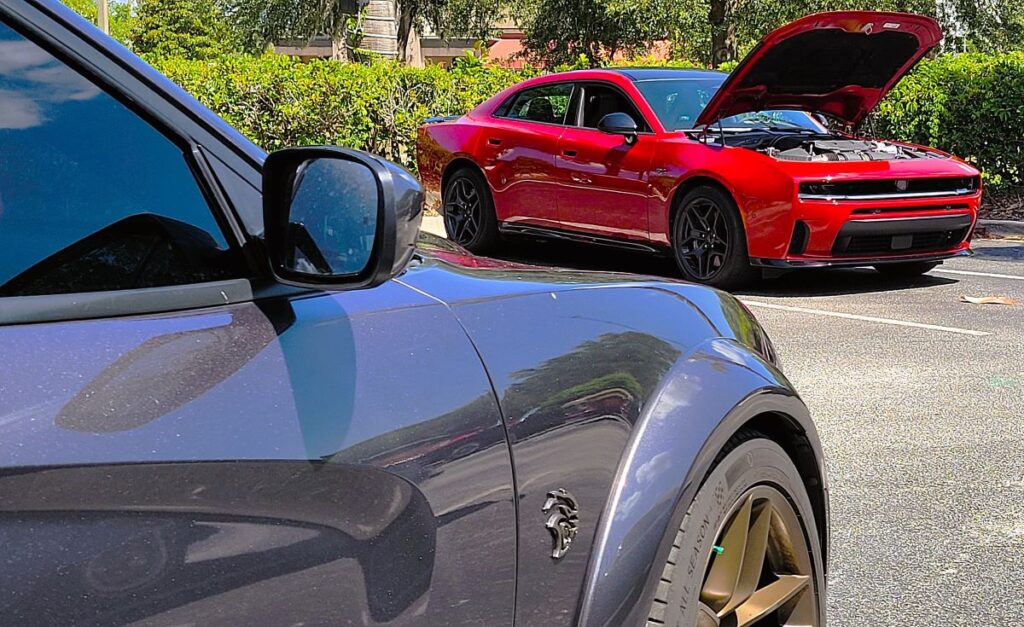
Now while the 2026 Charger R/T looks a tad smaller than its HEMI predecessor, it is not. Our 4-door hatchback is 206.6 inches long atop a 121-inch wheelbase; 84.3 inches wide and 59.2 inches tall. That’s actually longer/larger than the musclebound 2023 models I tested, which were 198.4-inches long atop a 120.2-inch wheelbase, 75 inches wide and 58.2 inches tall.
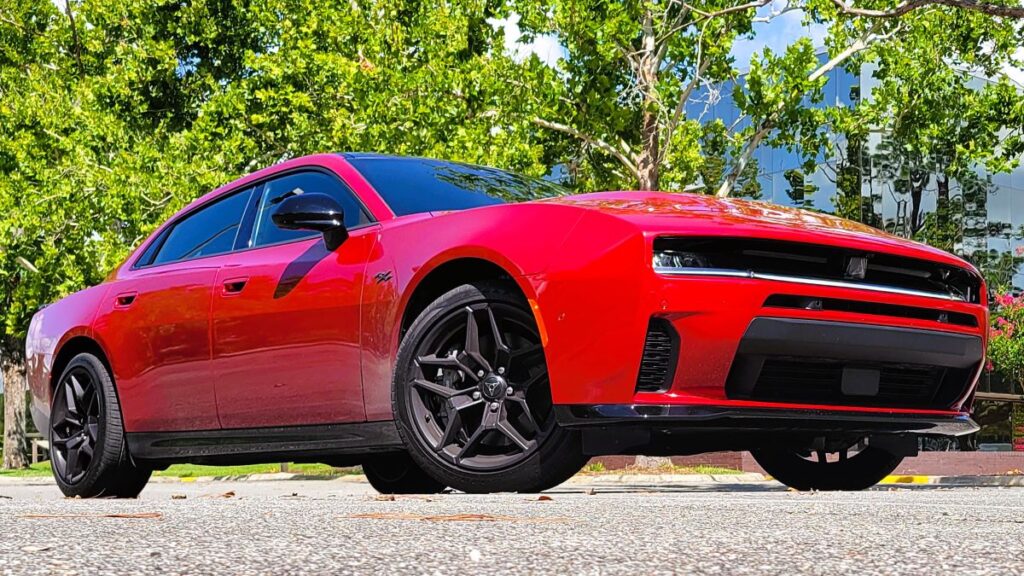
Specs aside, this sleek and muscular hatchback sedan’s shape is clearly very retro, retaining some essence of the 2023 model, and hints of that stillborn 1999 concept that I drove. The slim grille has LED headlights connected by a thin DRL line. A center dimple mimics the third-gen (’71-’74) Charger grille’s chrome center bar, and has a backlit Fratzog – the name of a three-pointed split-triangle logo used on Dodge muscle cars in the ‘60s and ‘70s.
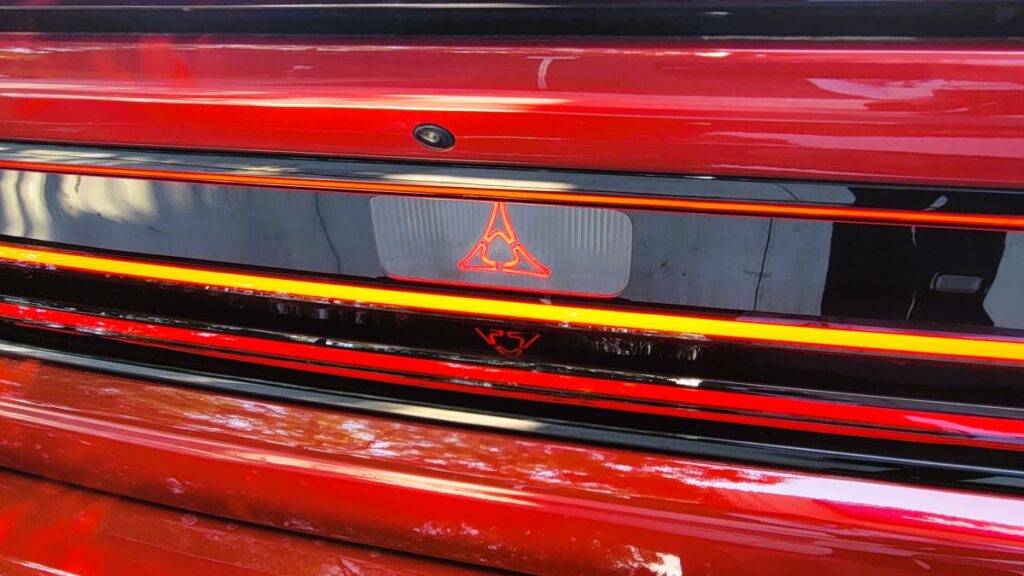
The logo has no official meaning. One glows between the taillights as well.
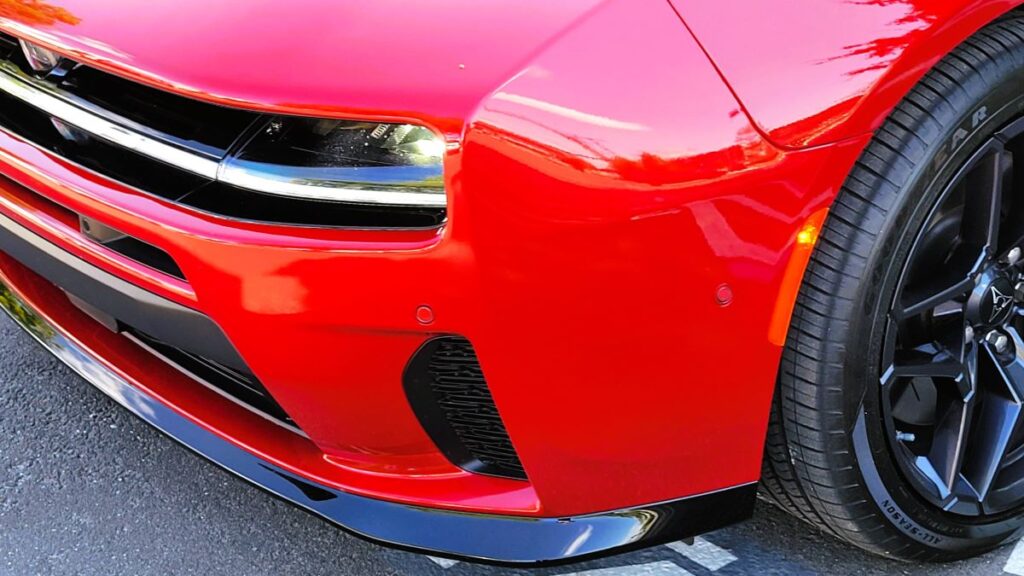
Under our R/T’s slim grille is a slit intake and gaping lower maw over black air dam – menacing yet sleek. That maw and its intercooler are framed by real vents. The hood’s power bump has a vent with “SIXPACK” embossed on it – the Charger Daytona EV’s hood airfoil won’t fit with a gas engine underneath.
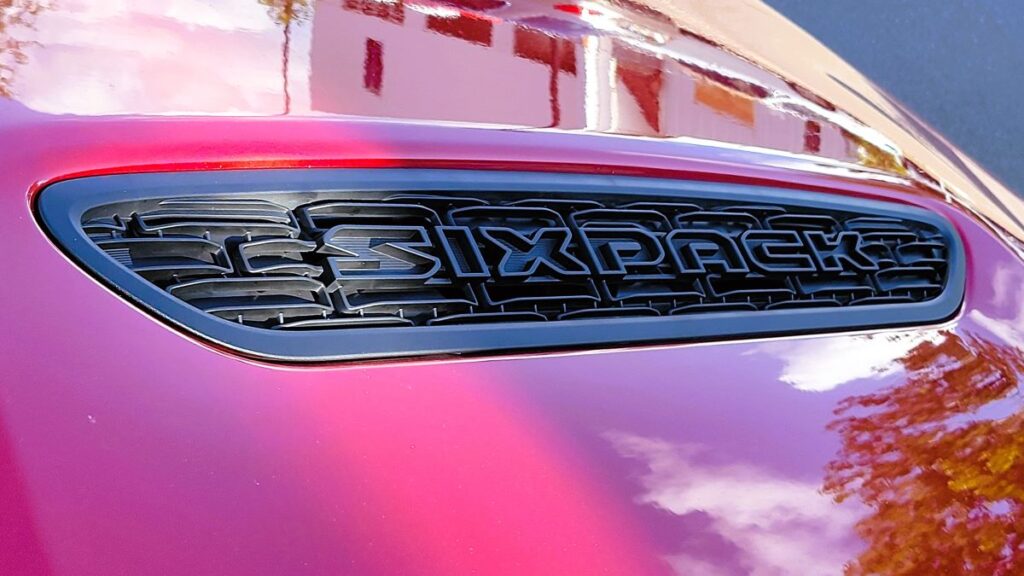
That said, our hoodline dips nice and low at the nose, while fenders get nostalgic edges over smooth flares that frame meaty 20-inch Goodyear Eagle rubber on 10-spoke gray alloy wheels, Brembo brake calipers visible inside in front.
Yes, it has four doors – a sleek 3-door is available – but designers did a nice job giving the door design echoes of the 1969 model – wide rear fender upper lines starting on front doors, then widening into edgy hips in the rear. And the almost fastback rear window/hatchback glass seamlessly flows from the smoked glass roof.
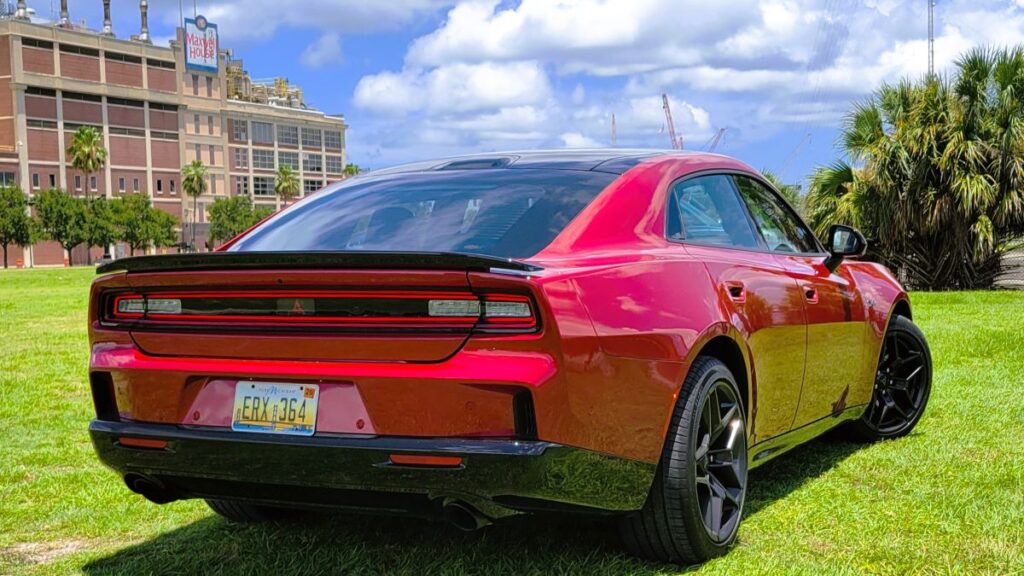
The hatch ends with a gloss black spoiler over slim LED taillights that really echo the 1969’s chopped tail. The bumpers get real vents at each corner, and a black lower fascia with reflectors and neatly integrated exhaust tips. Good news – that glass roof was tinted so well, there wasn’t much heat transmitted inside – still, I’d like a shade.
Yes, the 1999 concept was about 20 inches shorter than this one. But I know this one’s designers had images of that propane-powered could-be around when the new R/T was crafted. Everyone who saw our 4,816-lb. sports sedan said it’s big, and definitely wide – almost as wide as a seventh-gen Wide Body, but smooth in shape, disguising some of that. And having compared this R/T side-by-side with the last-gen Charger, this one may lose some of the last one’s muscular look, but isn’t as comic book character either.
Is the 2026 Charger Bigger Inside Than The 7th-Gen Model?
The 2023 Charger R/T has a 104.7-cu. ft. interior volume; the 2026 has 103.08-cu-ft. of interior space. The driver of the 2023 version has 38.6 inches of headroom and 41.8 inches of legroom; I had a max of 39.1 inches of headroom and 42.6 inches of legroom. But the big winner is the new Charger’s hatch. It has 22.7 cubic inches of space with rear seats up, and 38-cu.-ft. seats down. That’s compared to the 16.5-cu.ft. in the 2023’s trunk.
The black leatherette and suede bucket seats have neat red and white stitching, as does the pleather on the dashtop, armrests and fascia in front of the passenger. There’s ribbed hard black plastic on the doors, and dashboard centerline – warmed up nicely with accent lighting, called Attitude Adjustment. Red was my attitude adjustment of choice.
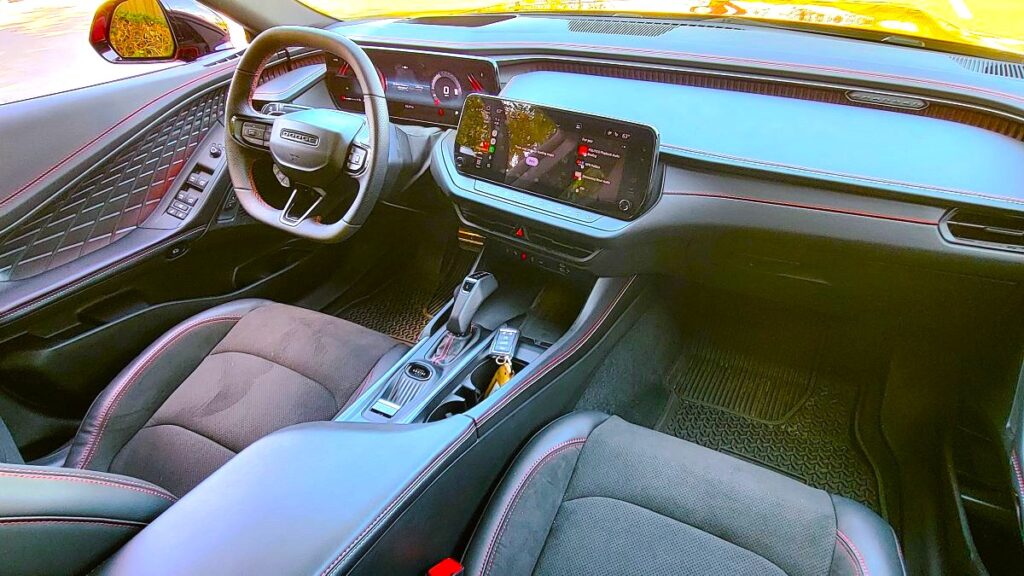
Those front seats are comfortable, but look more supportive than they are – the driver gets memory presets, and both get heat and ventilation up front. The thick stitched leather-clad squircle steering wheel offers good grip but very small paddle shifters; audio controls behind, and cruise, with control buttons in front for the 10.25-inch gauge display. That gauge display can show speedometer and tachometer, or navigation map and digital speed, or just speed.
Then there’s a 16-inch center infotainment display with wireless Apple CarPlay and Android Auto, built-in Amazon Alexa and TomTom Connected Navigation, although navigation was sometimes slow to load. There’s a real volume and tuning knob. Below is a strip of slightly clunky haptic feedback buttons for climate control.
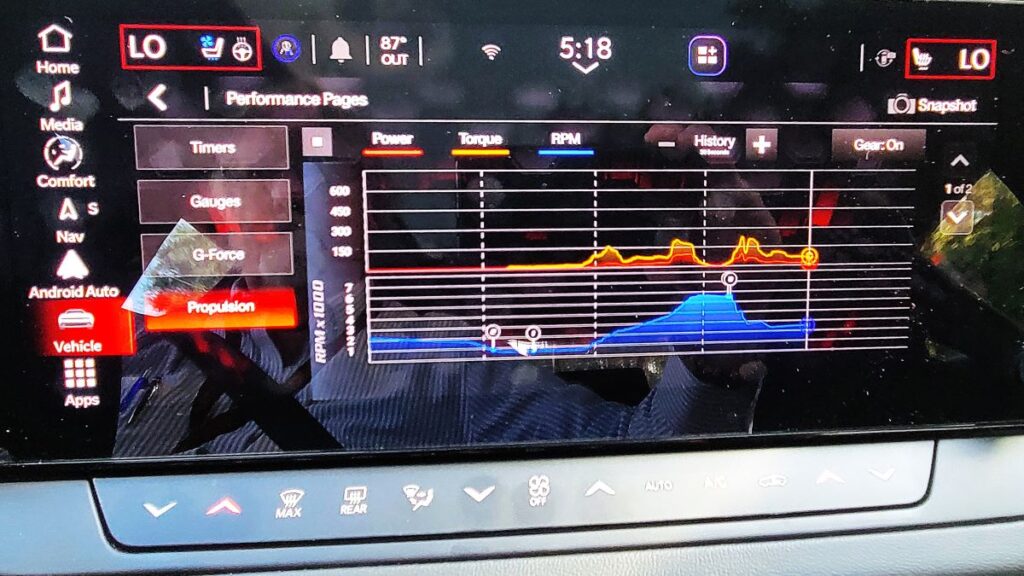
A sports sedan in the tradition of past Mopars, the center screen gives access to Performance Pages that include real-time engine gauges, 0-60 mph timers, G-force, quarter-mile times, and more. Along with the Drive Mode selector on the steering wheel, you can access that in the Performance Pages, along with the Eco mode, which isn’t accessible off the steering wheel.
You can set your rpm level for launch control, which lets the engine and transmission computers get the best for quick all-wheel-drive launches. You can also select rear-wheel-drive only. And for a drag strip, you can line-lock front brakes to spin the rear tires only and warm them for better launch grip.
The center console is framed in stitched pleather, which looks cool, but is an unpadded touchpoint for your right knee. There’s a ventilated inductive charger for your cellphone, and storage space under dual USB ports. Then a classic, albeit plastic pistol grip shifter falls readily to hand. A start/stop button and electronic handbrake is nearby, as is a decent storage with 12-volt outlet under the center armrest.
The new Charger gets push buttons to open doors and hood, although manual door handles and a fabric pull strap are near both to use if power fails. We had a squeak from the upper dashboard on bumpy roads, and some icons on the touchscreens took a few taps to work, as did the outside door lock buttons.
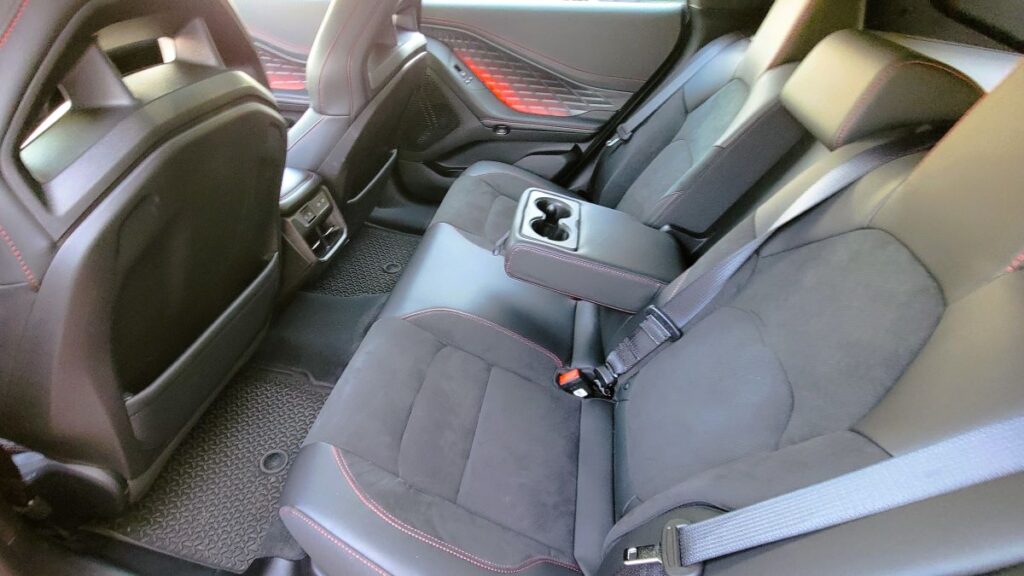
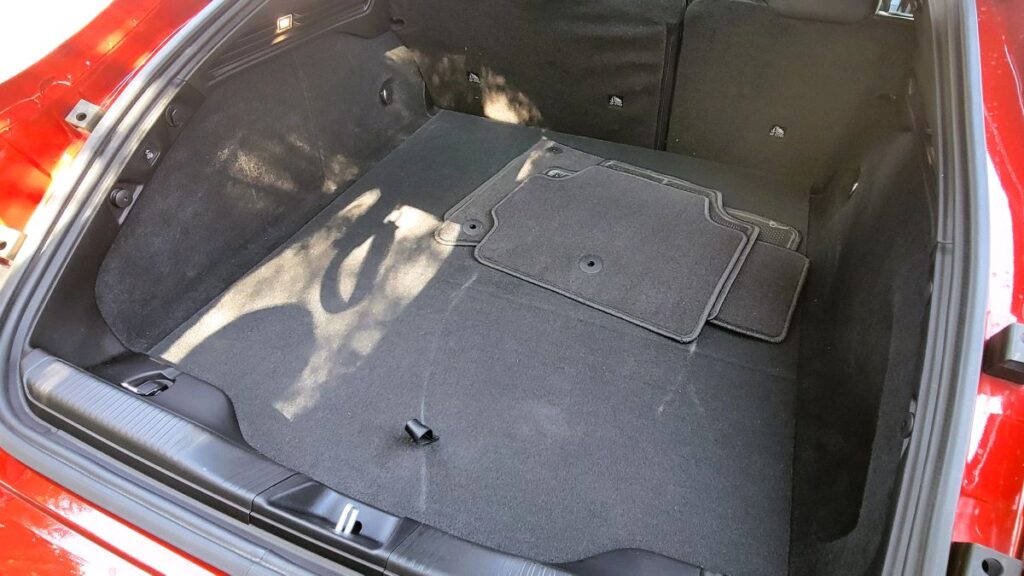
The swoopy sedan roofline means I had to duck to get under it and into a very roomy back seat – cool to have frameless side windows. There’s a/c vents, USB ports and heated outboard seats – but no manual door release, only power release buttons under more accent lighting on ribbed door panels. Seat backs split and fold to augment a long cargo area – under a hatchback! That power hatch stunned folks at car shows, and may be a game-changer for some looking at crossovers when they really want a car.
Dodge loves nostalgia when it comes to its modern Charger and Challengers, so SIX PACK originally referred to Dodge’s 1960s-1970s performance package – three, two-barrel carburetors on its 440-cu.-in. V-8. But for now – despite the 2026 Dodge Charger Drag Pak concept’s 5.8-liter HEMI V-8 – no V-8 has been announced for the street. I hope that changes.
But while this is no HEMI, this milder Hurricane six has a nice meaty, rumbly idle and a solid growl under pressure from its twin pipes – complete with a very HEMI-like “whoomp!” on each upshift.
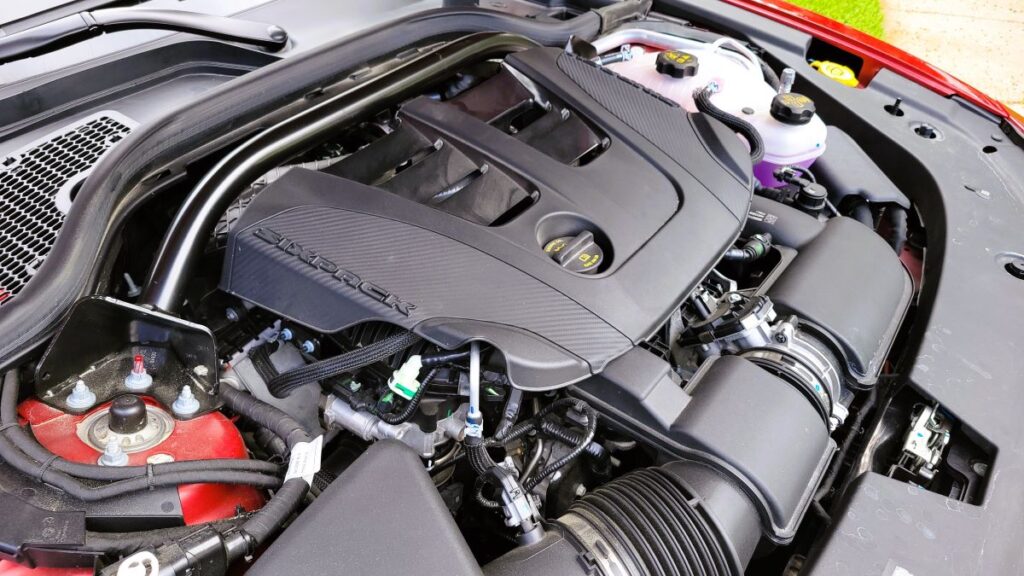
We had no traction issues here with our 5,300-mile-old SIXPACK R/T and its all-wheel-drive, with its 40% front, 60% rear torque split. So we tested it in Eco mode first – a moderate start, then the first turbocharger came online around 2,500-rpm, and we hit 60 mph in 5 seconds. There was precise steering feel and a neat exhaust snarl under load.
Switch to Sport mode, and with more aggressive throttle mapping came a quicker launch and 60 mph in 4.6 seconds, with more aggressive downshifts and passing power, plus an even cooler, yet civilized exhaust snarl. Then in launch control and rear wheel drive only, with the RPM point set at 2,000 rpm, we hit 60 mph in 4.2 seconds, just a hint of wheelspin on each upshift – we pulled over 1G on launch.
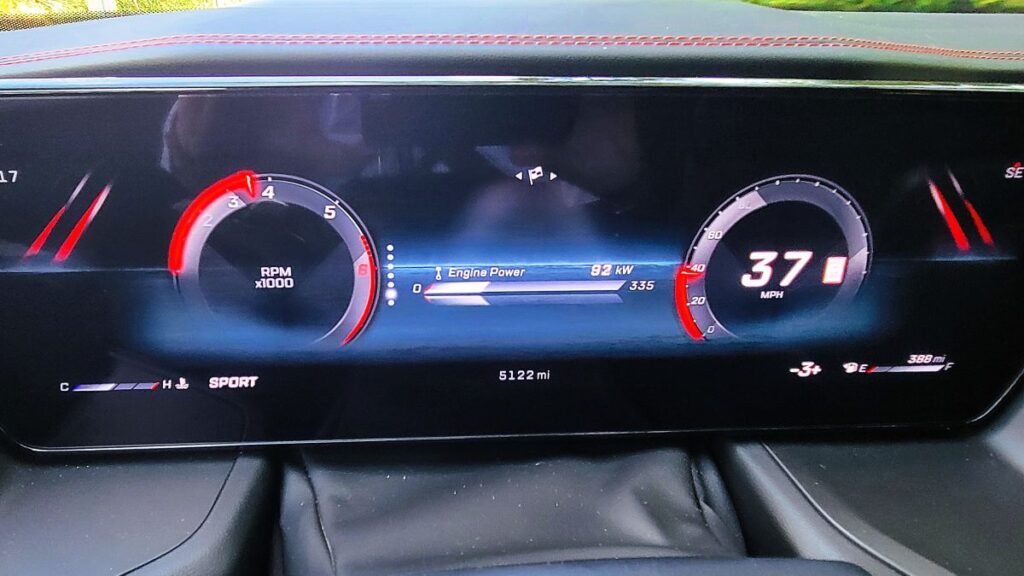
To compare, a 2021 Charger Hellcat Redeye with 697-hp from a supercharged 6.2-liter V-8 saw 60 mph in 4.2 seconds in Sport mode in our tests, and 4 seconds flat in Launch Control. A 2016 Charger Hellcat with 707 hp saw 60-mph in 3.6 seconds. All are rear-wheel-drive only, traction an issue on straight track runs. Pretty close, I’d say – the new R/T still feels its weight, but the Hurricane 6 and all-wheel-drive give it a more mature launch and clearer moves, if lacking in the gale force sound – sigh.
More Charger Coverage (story continues below)
EV Swap: Mustang Mach-E To Charger Daytona
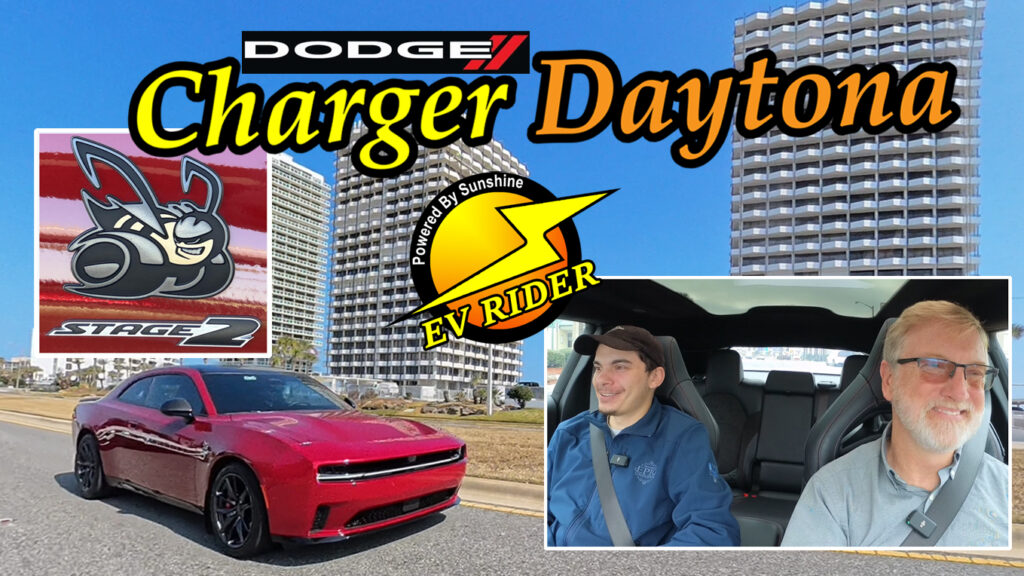
Long-Term Owner Review: Charger Daytona Scat Pack
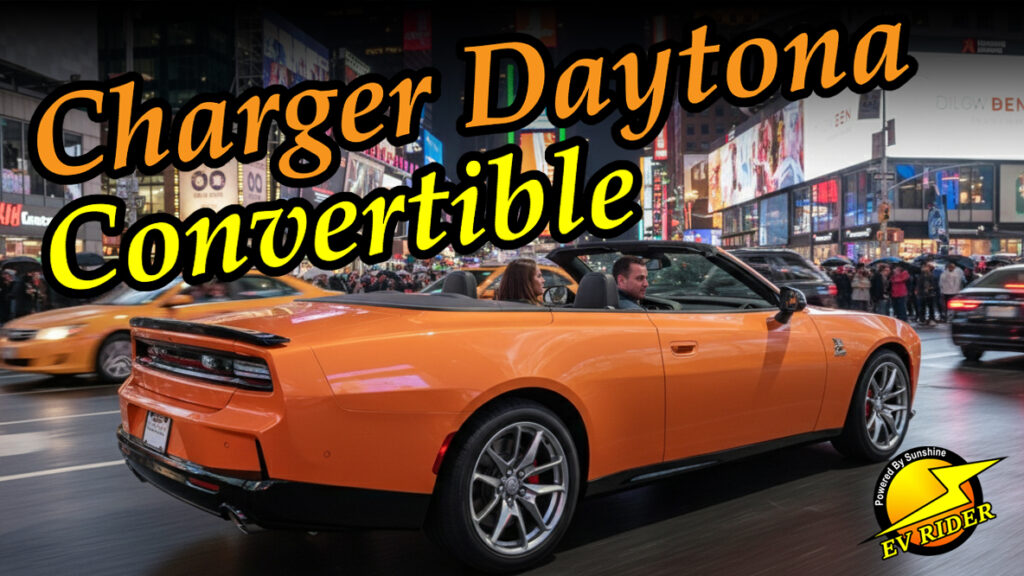
Drop Top Customs Developing Dodge Charger EV Convertible
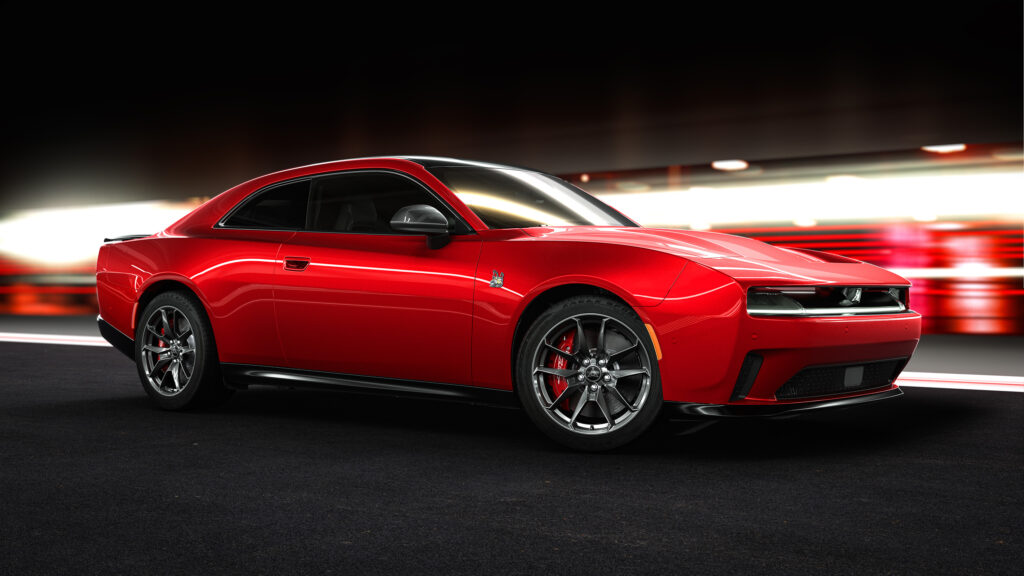
Production Dodge Charger EV Unveiled With Full Specs
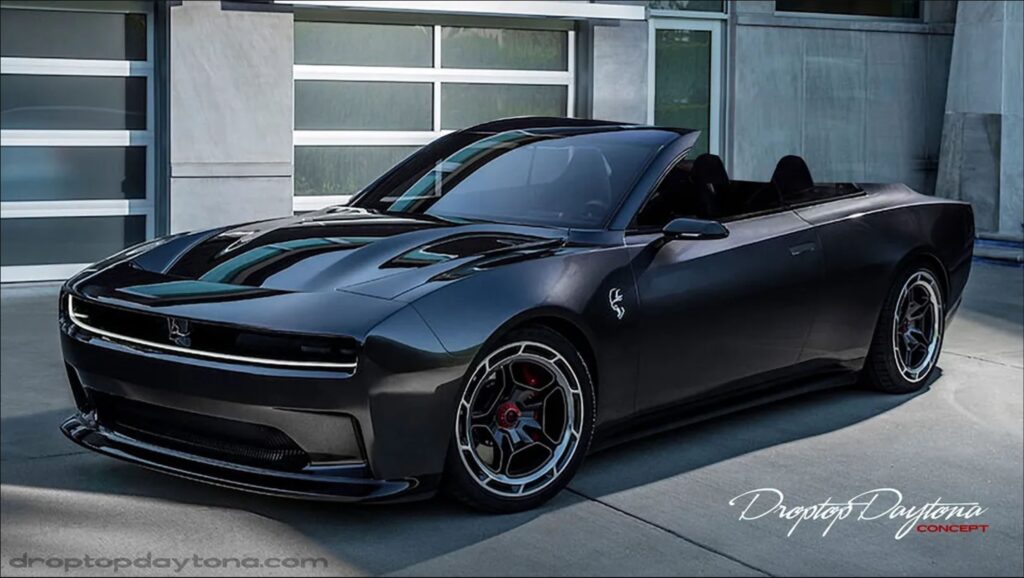
2024 Dodge Charger Daytona EV Convertible Announced
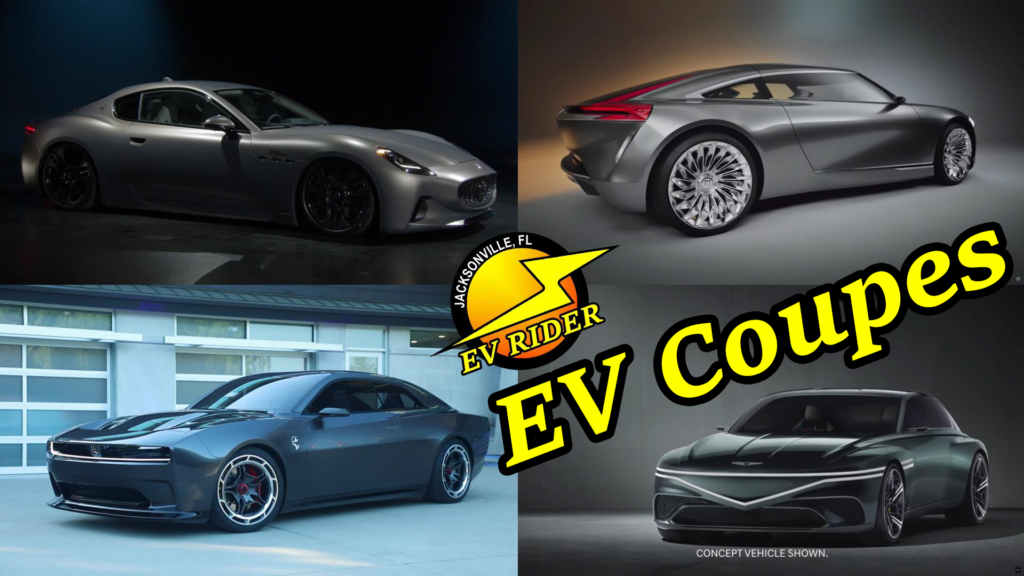
4 EV Coupe Concepts; 2 Headed For Production
Our R/T’s multilink suspension along with serious rubber gave it a taut but supple ride with forgiving feel over potholes and speed bumps – no head tossing, and no hard rebound. Around town, the car was agile, even though we felt its weight. It was quite neutral around corners, the front/rear bias was just fine for quick maneuvering.
Pushed harder, there was a hint of understeer. And when we really pushed it in steady-state cornering, the G-meter showed a solid 1.5Gs, with minimal body roll and good control bar a bit more understeer when powering through, but not hard to handle. The brake pedal had a nice immediate bite and great control of its 15-inch front/14.2-inch rear vented disc brakes with nice Brembo calipers up front, so stops were quick, short enough and controlled with minimal nose dive and no fade, even after some serious use. And that G-Force display claimed a serious 1.5Gs of stopping power.
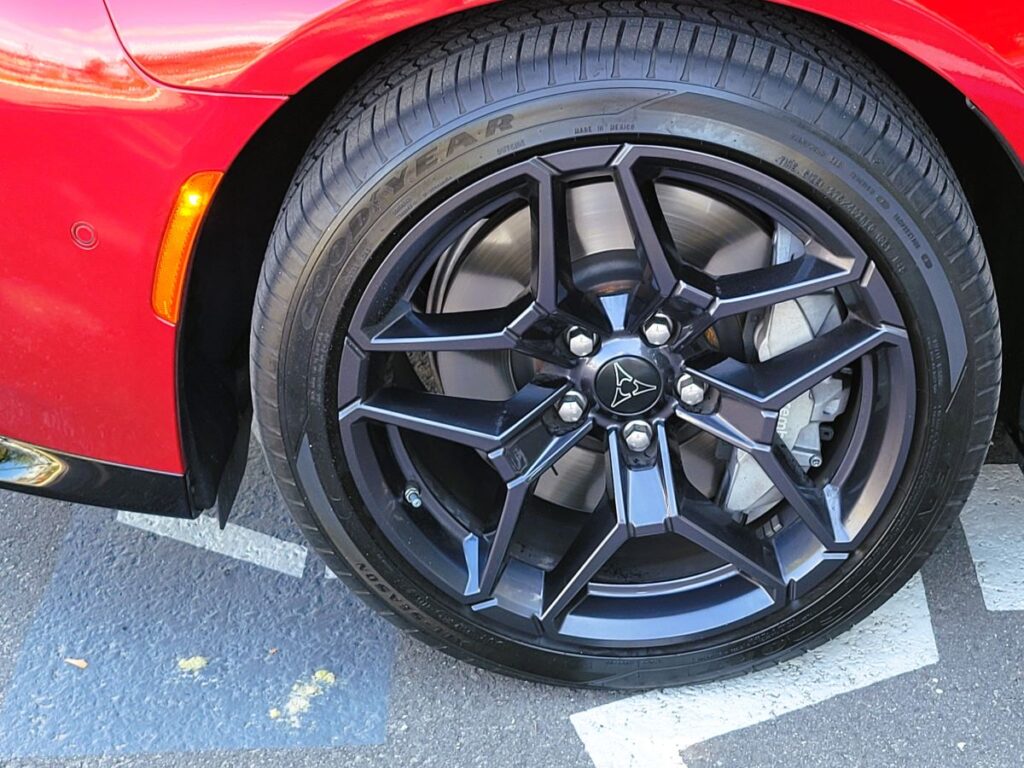
A base Charger R/T starts at $51,995; ours added some options like the $4,995 preferred package with ventilated front seats, heated front and rear seats, digital displays, power hatch and more; $2,995 handling package with hi-back bucket power seats, line lock, rear spoiler, 20-inch tires, Brembo calipers and performance suspension; plus a $1,395 glass roof and a few more options for a final price of $65,365.
Bottom line: Clearly still a Dodge Charger, just one that’s gone to finishing school for shape, ride and handling. The Hurricane 6 has good power across the band, but I wonder what that 550-hp Scat Pack, or the 670-hp EV Scat Pack would feel like – or a HEMI???
2026 Dodge Charger R/T 5-door Specifications
Vehicle type – all-wheel-drive 5-passsenger sports sedan
Base price – $51,995 ($65,365 as tested)
Engine type – Twin-turbocharged DOHC inline six
Displacement – 3 liters
Horsepower (net) – 420 @ 5,200 rpm
Torque (lb-ft) – 469 @ 3,500 rpm
Transmission – 8-speed automatic w/paddle shifters
Wheelbase – 121 inches
Overall length – 206.6 inches
Overall width – 79.8 inches
Height – 58.7 inches
Front headroom – 39.3 inches
Front legroom – 42 inches
Rear headroom – 37.1 inches
Rear legroom – 33.1 inches
Cargo capacity – 22.8 cu. ft./37.4 cu. ft. w/rear seats folded
Curb weight – 4,816 lbs.
Fuel capacity – 17.5 gallons
Mileage rating – 17 mpg city/20 mpg highway