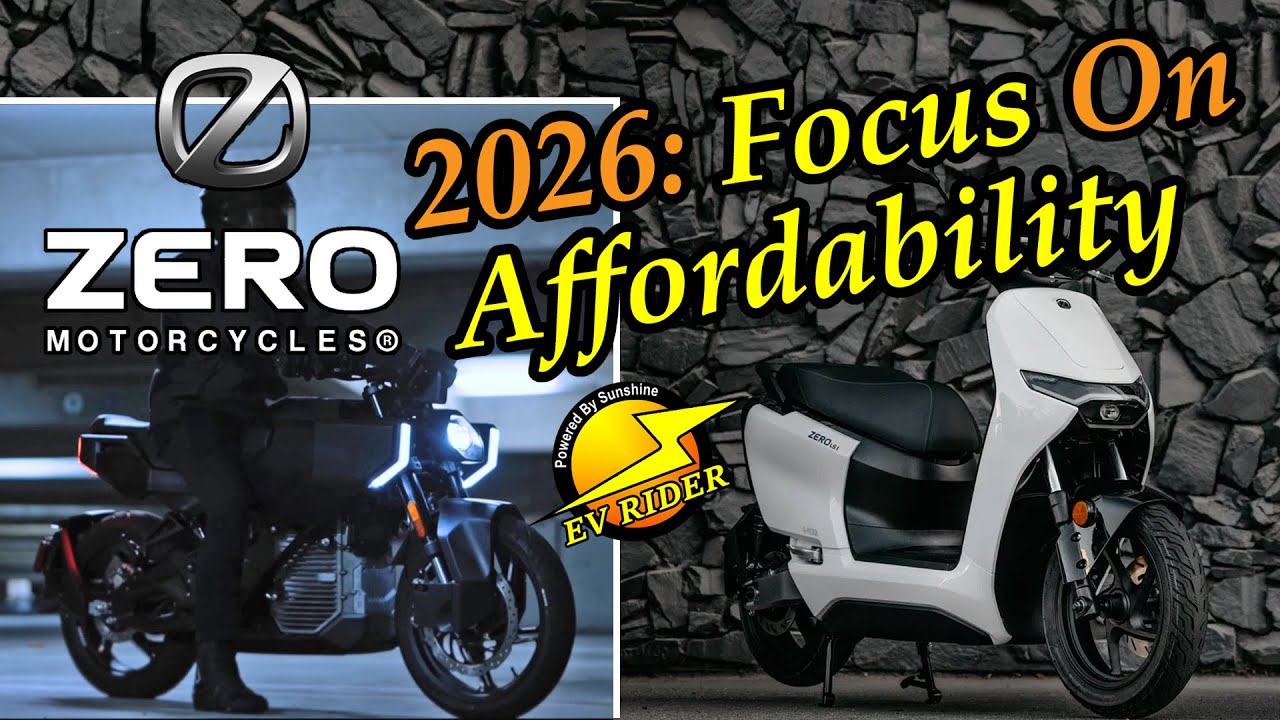


What a difference a year makes. Zero Motorcycles has a new scooter, a new CEO, a new corporate home, a new concept bike and apparently, a new direction. We’ll get to the 2026 lineup in a moment, but first the back story.
If you don’t follow Zero Motorcycles closely you might be surprised just how much the company is changing as it celebrates its 20th anniversary in 2026 and rolls out its 2026 lineup.
Whether you’re a Zero insider or not, it’s apparent the veteran EV motorcycle company has changed its strategy.
Instead of pouring all of its resources into developing expensive, top-tier, long-distance bikes, it’s now diving headfirst into what it no doubt hopes is a higher-volume market; that shifts the near-term emphasis from its U.S. roots to overseas.
The changes actually started several years ago when Zero outsourced most of its assembly line work to IMI in the Philippines.
Then this fall Zero announced two major bombshells. It is moving its global headquarters from California to the Netherlands, and then in November announced a sudden CEO change.
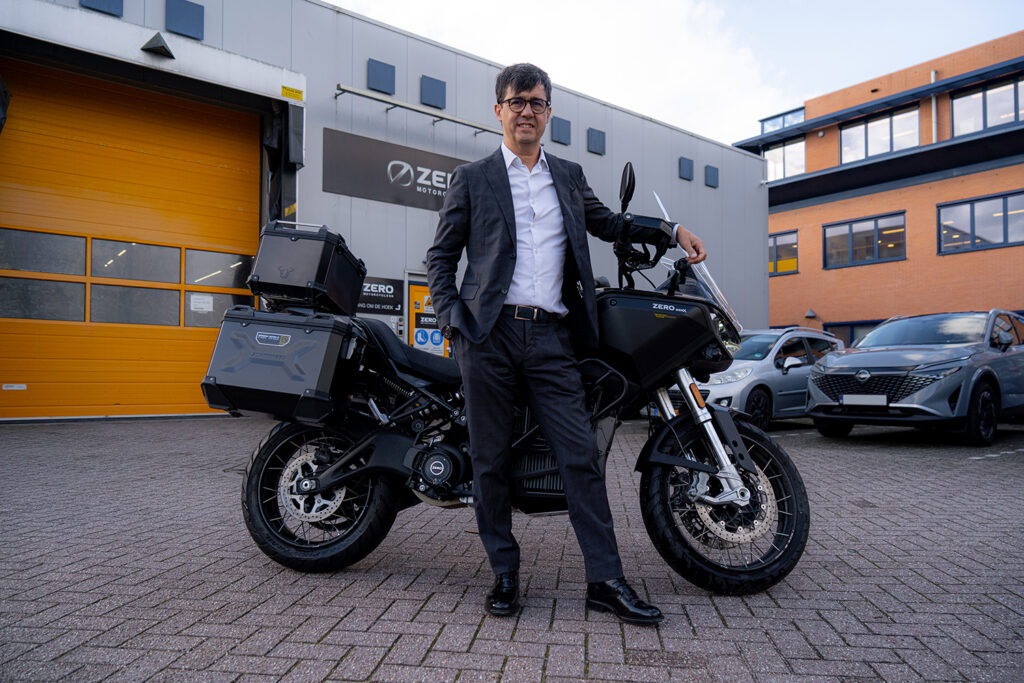
Pierre-Martin Bos replaced long-time CEO Sam Paschel, who is stepping into a senior board advisory role.
At the same time, there’s concern in the Zero community that the SR/S sport touring model might be on the way out, although that hasn’t been confirmed by EV Rider.
The concern arose because the SR/S doesn’t appear in Zero’s first video showing the 2026 model lineup. However, at the time of this video and story’s posting, the SR/S was still listed on Zero’s U.S. and European websites.
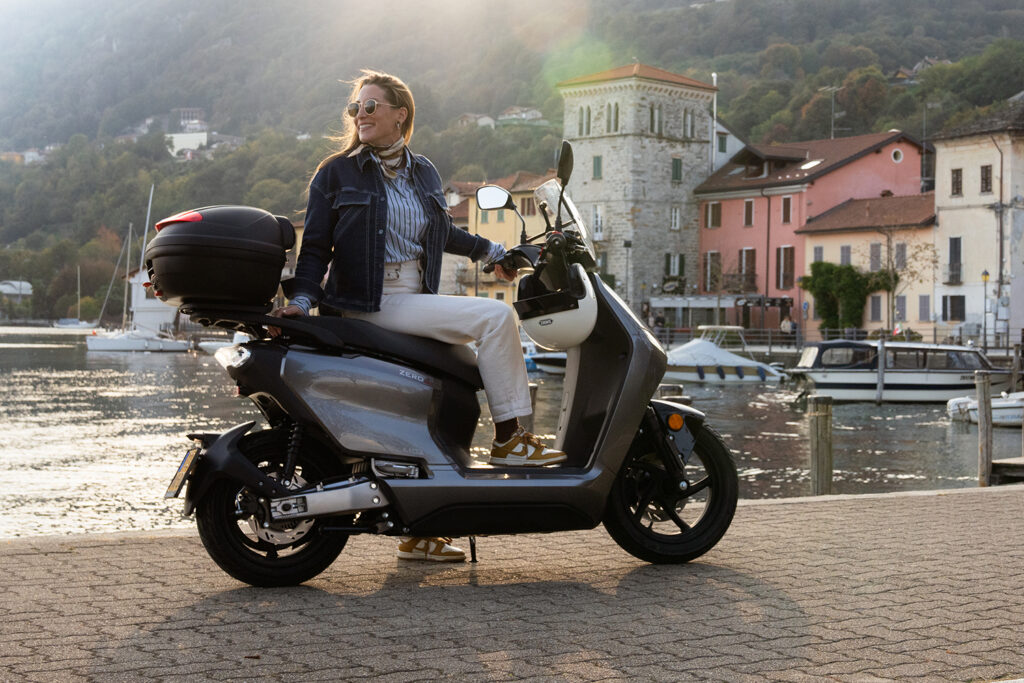
Now the biggest news: Zero is launching a new urban Scooter called the LS1.
It sounds like a fantastic urban runabout with 71 miles of range and a roomy storage area under the seat that’s big enough to fit a helmet. Or, riders can opt to add a third battery to increase the range to 106 miles. By the way, we’re talking urban miles here, not U.S. interstate miles. The LS1 scooter’s top speed is expected to be 62 miles per hour when it reaches showrooms.
U.S. EV fans won’t be getting a chance to check the LS1 out anytime soon. It’s not coming to the states, according to multiple reports from sources like Ride Apart, Motorcycle.com and Electrek. But you’ll find plenty of video of the LS1 in the EV Rider episode at the top of this post.
Deliveries in other parts of the world are expected to begin by the end of 2025.
Meanwhile, Zero’s bigger bikes that are meant for interstate use are getting minor updates. Zero hasn’t made any public mention of DC-fast charging coming anytime soon.
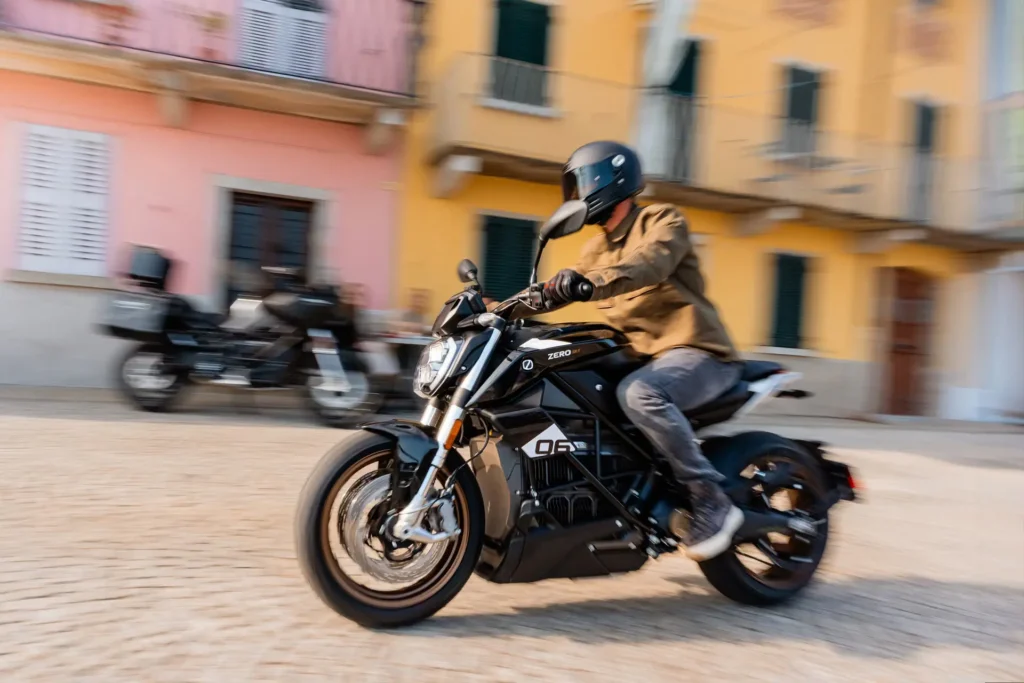
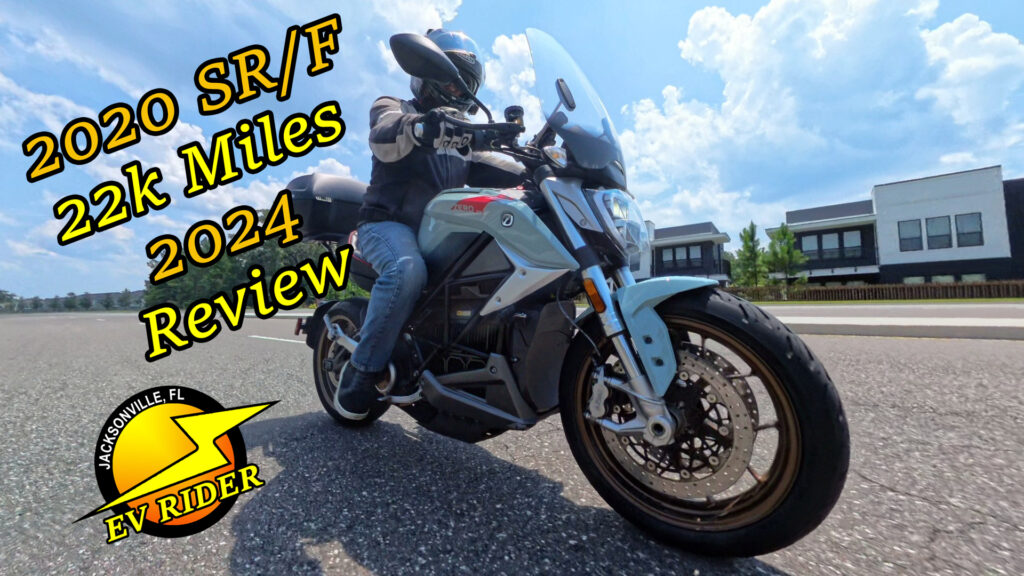
The SR/F is getting a modest refresh with aero strakes and a redesigned belly pan. The changes are expected to enhance airflow, while it looks like base models of the bigger bikes will now come with 15.6 kWh batteries as standard.
Speaking of airflow, there was also no mention of what looked to be a very promising range gain. In 2024 White Motorcycle Concepts and Zero showed off an SR/S with a new pass-through aero system that resulted in a 10% reduction in drag, which yielded a range gain of between 7 and 9 percent during highway testing. You can see the prototype in the video report at the top of the post.
Zero Motorcycles 2026 Launch Video (story continues below)
But that was two years ago and the SR/S aero concept still hasn’t made production. Given the focus on other models in Zero’s 2026 model year launch video, there’s a real question of how much longer the SR/S will remain available.
Zero, if you’re watching this video or reading this post, please consider dropping a note in the commentts or emailing me about the future of the SR/S for 2026 and beyond so I can update this story with more definitive information.
Now back to the good news: Zero is offering more affordable bikes in the lower end of the market for new riders; especially in Europe, Latin America and the Asia-Pacific.
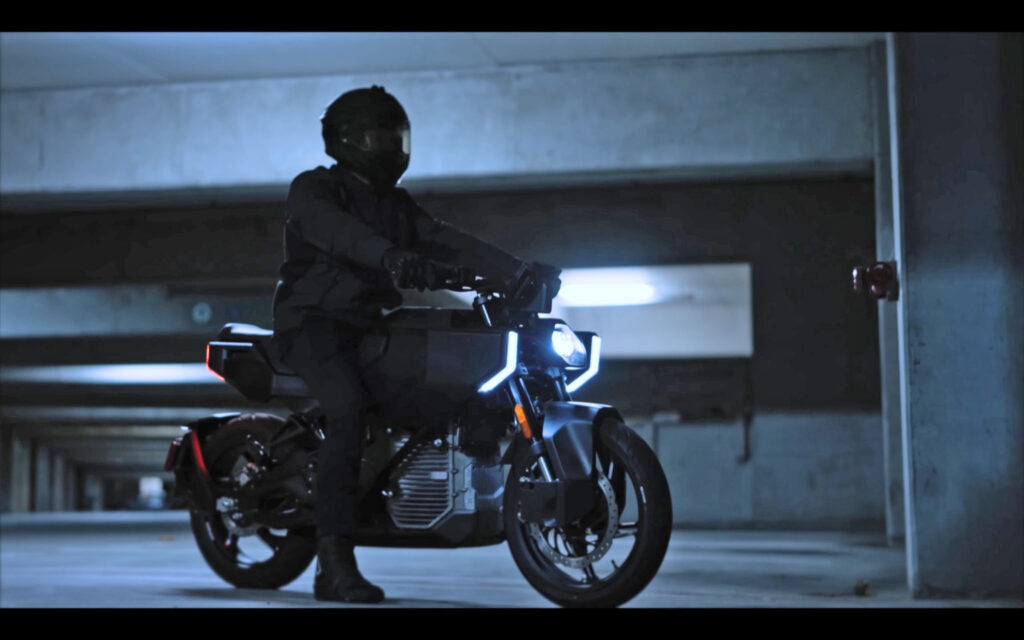
Zero Motorcycles Lompico Concept EV Motorcycle
Zero is also showing off a new concept bike called the Lompico that will include what Zero says is an all-new operating system called Cypher 4.
That bike also looks like it will be aimed an urban-commute audience since it’s expected to have an 8.8 kWh battery, compared to the 17.3 kWh battery offered in Zero’s current top tier models.
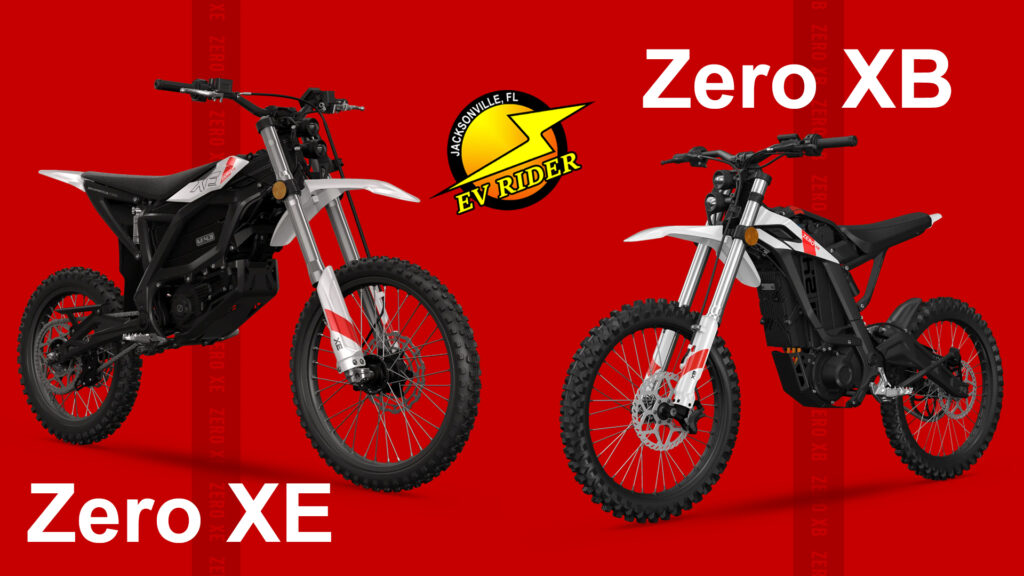
The entry level XB and XE bikes are also returning for their second model year, although they aren’t still aren’t street legal here in the U.S. The XB has a U.S. list price of $4,395, which is the most affordable Zero ever made.
Meanwhile, the price of the new LS1 scooter is expected to slide-in under $10,000, since it’s part of Zero’s All Access initiative, which has a goal of six new models priced under $10,000. The LS1 includes standard traction control and ABS.
For new urban riders in many parts of the world, 2026 looks to be an exciting year to consider a Zero now that it has a more affordable lineup.
But for existing customers looking for a reason to upgrade their bigger, more expensive Zeros, they’ll need once again content themselves with the phrase, “maybe next year.”